Uninstalling PostGIS
This section walks you through the process of uninstalling PostGIS.
Uninstalling PostGIS on a CentOS/RHEL/Rocky Linux/AlmaLinux host
To uninstall PostGIS on a CentOS/RHEL host, assume the identity of the root user and invoke the following command:
On CentOS/RHEL 7 for EPAS version 13:
yum -y erase edb-as13-postgis3*
On CentOS/RHEL 7 for older versions of EPAS:
yum erase edb-as<xx>-postgis-*<y.y.y>
Where <xx> is the Advanced Server version and <y.y.y> is the PostGIS version you want to uninstall.
On Rocky Linux/AlmaLinux/RHEL 8 for EPAS version 13:
dnf -y erase edb-as13-postgis3*
On Rocky Linux/AlmaLinux/RHEL 8 for older versions of EPAS:
dnf erase edb-as<xx>-postgis-*<y.y.y>
Uninstalling PostGIS on a Debian/Ubuntu host
To uninstall PostGIS on a Debian or Ubuntu host, invoke the following command:
apt-get remove edb-as<xx>-postgis-<y.y>*
Where <xx> is the Advanced Server version and <y.y> is the PostGIS version you want to uninstall
Uninstalling PostGIS on a SLES host
To uninstall PostGIS on a SLES host, assume the identity of the root user and invoke the following command:
zypper remove edb-as12-postgis*
Uninstalling PostGIS on a Windows host
The PostGIS graphical installer creates an uninstaller that you can use
to remove PostGIS. The uninstaller is created in the installation
directory that you have specified while installing PostGIS (default is
C:\Program Files\edb\as13 ).
Navigate into the directory that contains the uninstaller and assume superuser privileges. Open the uninstaller and click
Yesto begin uninstalling PostGIS:
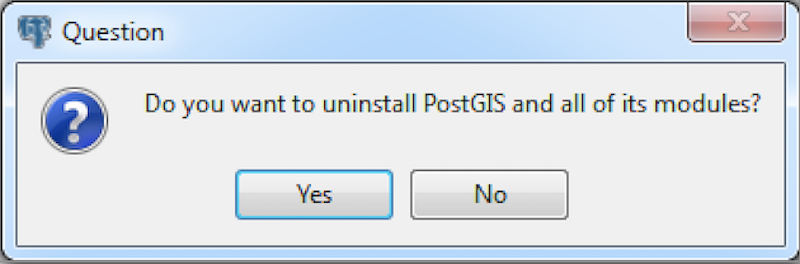 Fig. 9: The Uninstaller Confirmation Dialog
The uninstallation process begins. Click
OKwhen the uninstallation completes:
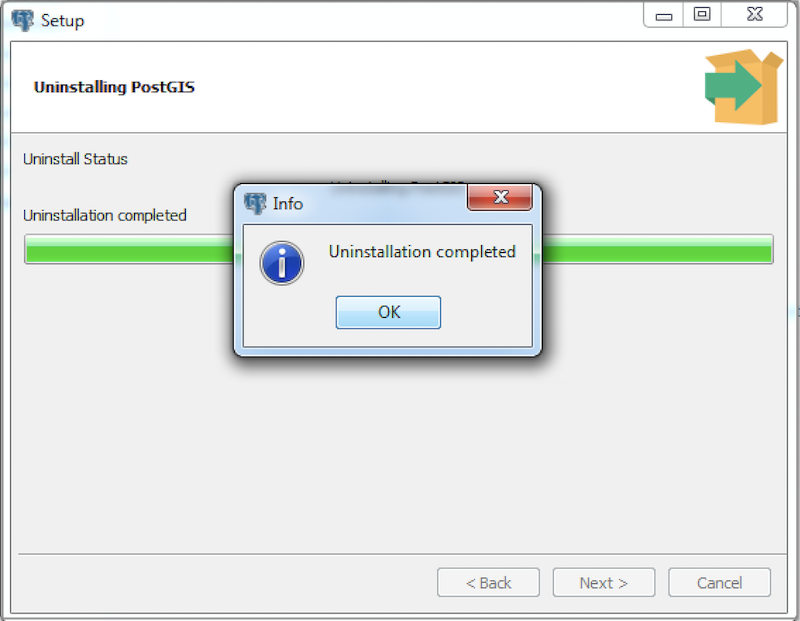 Fig. 10: Uninstallation is Complete